Architecture Competitions Inspire Creative Design Ideas
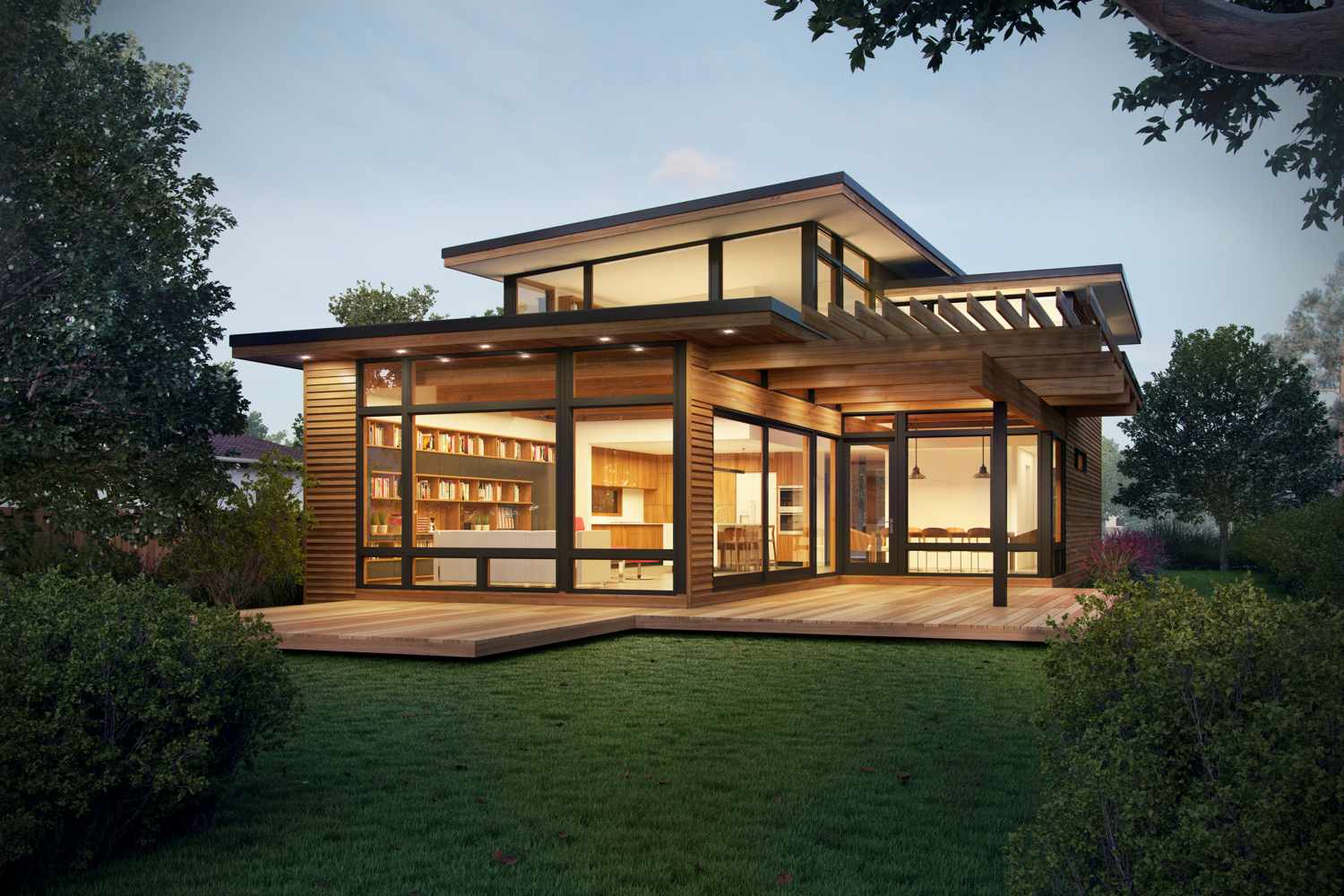
Architecture Competitions provide architects, students, designers, and multidisciplinary teams with opportunities to explore ambitious ideas that may challenge conventional approaches. Unlike many traditional projects, competitions often encourage participants to think beyond immediate construction limitations and investigate new possibilities for buildings, cities, public spaces, and communities.
From small conceptual challenges to major international competitions, these events have become an important part of architectural culture.
What Are Architecture Competitions?
An architecture competition typically presents participants with a design brief and asks them to propose a solution. The brief may describe a building, public space, urban district, memorial, cultural facility, or theoretical design problem.
Entries are then evaluated according to criteria established by the organizers.
These criteria may include:
- Design quality
- Functionality
- Sustainability
- Innovation
- Context
- Accessibility
- Feasibility
Some competitions select a winning proposal for development, while others are primarily conceptual.
Encouraging Creative Thinking
One of the biggest advantages of competitions is freedom. Participants can explore ideas that might not emerge through conventional client-led projects.
Competition briefs can encourage designers to investigate:
- Unusual building forms
- Innovative materials
- New construction methods
- Alternative housing models
- Sustainable systems
- Future urban concepts
This creative environment can expand the boundaries of architectural thinking.
Opportunities for Students
Architecture competitions are particularly valuable for students. They allow students to apply concepts learned in school to realistic design problems.
Competitions can help students develop:
- Research skills
- Concept development
- Drawing abilities
- Presentation techniques
- Digital modeling
- Time management
- Team collaboration
A strong competition entry can also become an important part of a student’s portfolio.
Professional Exposure
For practicing architects, competitions can provide opportunities to gain recognition and demonstrate expertise.
Winning or being shortlisted in a respected competition can increase visibility within the profession. It may also help firms attract future clients and collaborators.
However, competitions should be approached strategically. Participants should carefully review submission requirements, deadlines, judging criteria, and intellectual property provisions.
The Role of Sustainable Design
Sustainability has become an increasingly important element of architecture competitions.
Designers may be asked to address:
- Energy consumption
- Carbon emissions
- Water use
- Material efficiency
- Biodiversity
- Climate resilience
- Waste reduction
A successful proposal often combines environmental performance with attractive and functional design.
Urban Planning Competitions
Not all competitions focus on individual buildings. Some address entire neighborhoods or urban districts.
Urban planning challenges can explore:
- Public transportation
- Housing
- Green spaces
- Pedestrian networks
- Mixed-use development
- Community facilities
These competitions encourage participants to think at multiple scales, from individual streets to broader metropolitan systems.
Research Before Designing
A successful competition entry usually begins with research. Designers need to understand the site’s physical conditions, history, culture, climate, transportation connections, and community characteristics.
Research may include:
- Site analysis
- Climate studies
- Demographic information
- Historical research
- Transportation analysis
- Precedent studies
This information provides a foundation for developing a meaningful concept.
Developing a Strong Concept
Once research is complete, teams can develop a central design idea.
A strong concept should explain why the proposal looks and functions the way it does. It should connect the project’s purpose, site, users, and environmental conditions.
The best competition proposals are often easy to understand while still offering sophisticated design thinking.
Visual Communication
Architecture is highly visual, so presentation is extremely important in competitions.
Typical submission materials may include:
- Floor plans
- Sections
- Elevations
- Diagrams
- Renderings
- Site plans
- Physical models
- Written explanations
Clear graphics can help judges understand complex ideas quickly.
Working as a Team
Many major competitions are completed by multidisciplinary teams. Architects may collaborate with:
- Engineers
- Landscape architects
- Urban planners
- Environmental consultants
- Graphic designers
- Researchers
Teamwork allows participants to address complex problems from different perspectives.
Learning From Competition Results
Even when an entry does not win, the process can provide valuable experience. Participants can review shortlisted projects and understand how successful teams approached the same brief.
This can help improve future design strategies.
Competitions and Architectural Innovation
Architecture competitions have historically provided platforms for experimental ideas. Some concepts that begin as competition proposals influence broader architectural discussions.
Competitions therefore serve as laboratories where designers can explore future possibilities without immediately committing to construction.
Conclusion
Architecture Competitions encourage creativity, experimentation, research, and professional development. They provide students and architects with opportunities to explore challenging design problems while developing valuable presentation and collaboration skills.
Whether the goal is to win a commission, strengthen a portfolio, test a new idea, or simply investigate an interesting architectural question, competitions can be an important part of the design profession. Their greatest value may be the opportunity to imagine possibilities that conventional project constraints might otherwise prevent.